
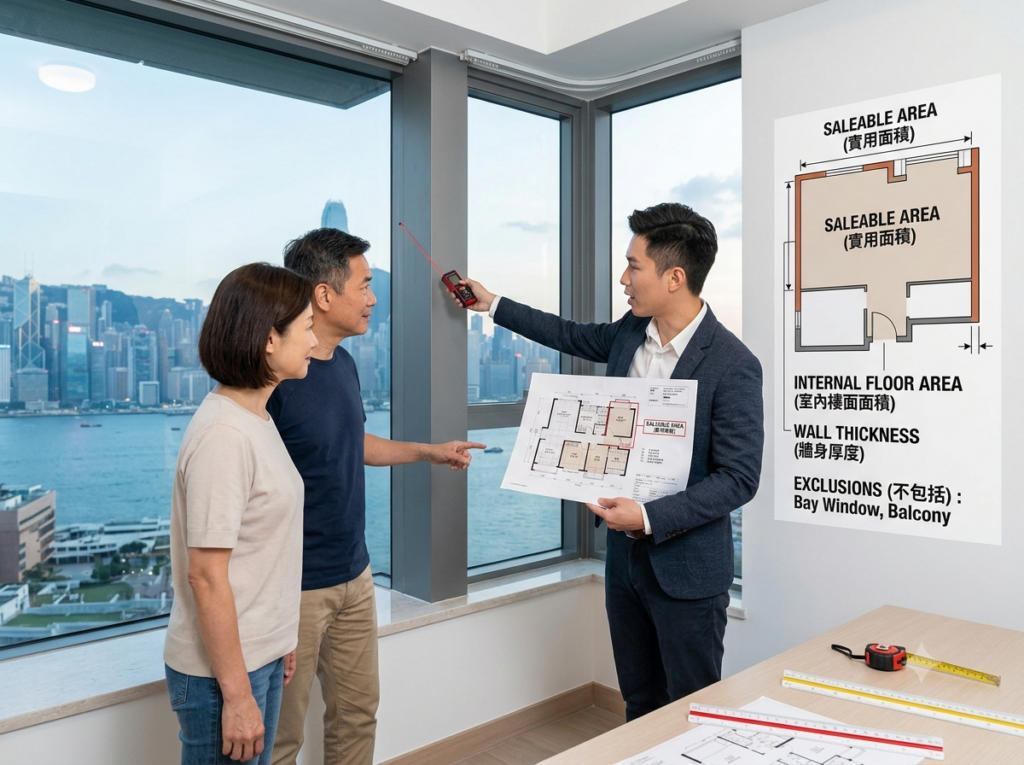
In Hong Kong, the size on a flat’s sales brochure is not always the space you can actually use. Here is how saleable area works, what it includes and excludes, and how to compare flats fairly.

Buying a flat before it is built can secure tomorrow’s home at today’s price — but off-plan purchases in Hong Kong carry their own rules, risks and rewards. Here is what every first-time buyer should understand before signing.

A practical seller’s guide to moving your Hong Kong flat faster — pricing against real evidence, fixing what buyers notice, staging small spaces, and marketing that earns viewings.

Hong Kong has one of the most open residential property markets in Asia — any expat on a valid visa can buy, and since February 2024, non-permanent residents pay the same stamp duty as locals. This complete guide walks international buyers through every step.
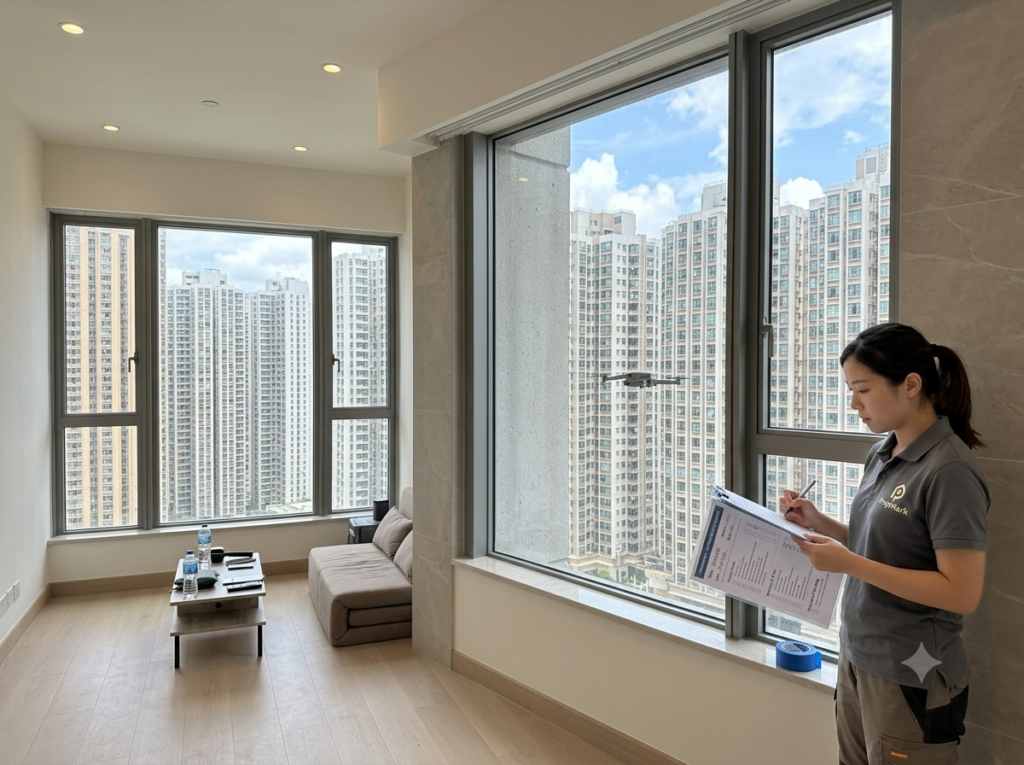
This checklist covers 15 specific things to inspect, ask about, or verify before you commit to an offer on any Hong Kong residential property. It applies equally to first-time buyers, seasoned investors, and expats navigating the market for the first time.

As land resources in Hong Kong become increasingly scarce, the government has actively promoted urban redevelopment through policy reforms. A key development is the amendment of the Land (Compulsory Sale for Redevelopment) Ordinance, with relaxed thresholds officially implemented in 2026.
This policy change has reignited investor interest in older districts such as Sham Shui Po, To Kwa Wan, and Yau Tsim Mong, where many investors are buying ageing properties in anticipation of developer buyouts at a premium.
However, is this strategy truly a low-risk investment? Behind the policy incentive lies a range of hidden financial and legal risks.

“What is registration? What’s the difference between Group A and Group B? How much should I prepare for the cashier’s order?”
This guide provides a complete breakdown of the 2026 new launch purchase process, helping you navigate the market with confidence.
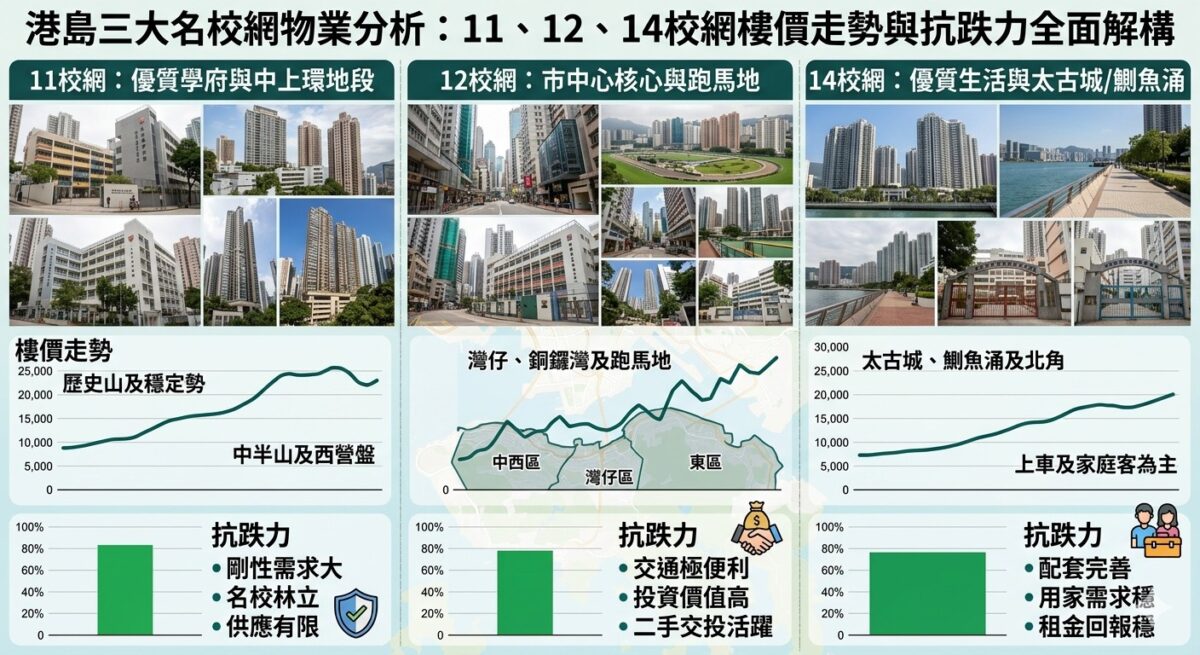
In Hong Kong’s property market, access to prestigious schools is often closely linked to long-term asset preservation. On Hong Kong Island in particular, primary school networks (“school nets”) have consistently played a critical role in supporting property values, influencing both price resilience and rental demand.
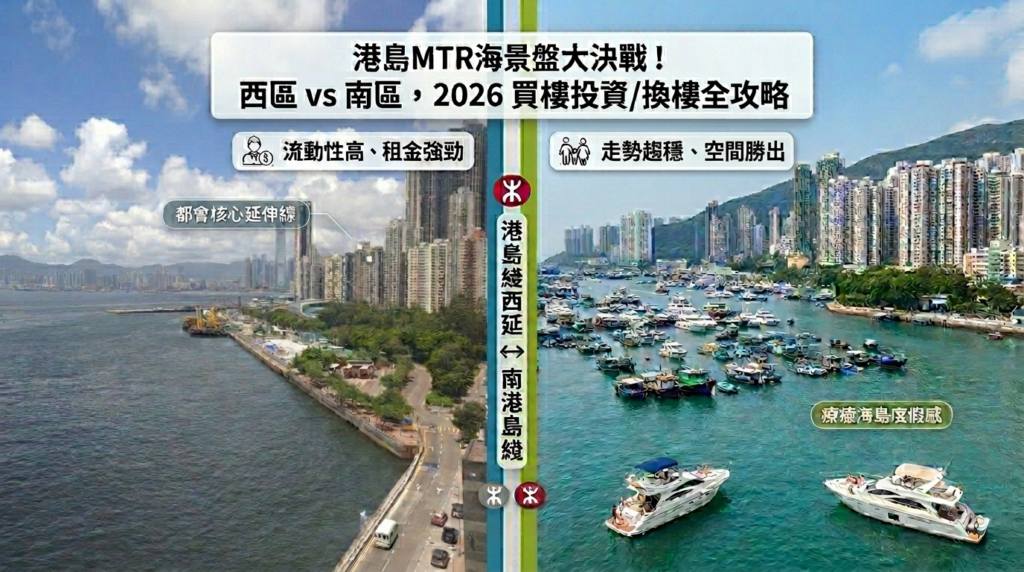
In the Hong Kong property market, the combination of being “along the railway line” and having an “unobstructed seaview” has always been regarded as the most resilient asset portfolio. Since the Western Extension of the Island Line and the full commissioning of the South Island Line, Hong Kong’s West District (Sai Ying Pun, Shek Tong Tsui, Kennedy Town) and the South District (Aberdeen and Ap Lei Chau) have officially established themselves as core residential sectors highly sought after by local middle-class individuals and professionals.
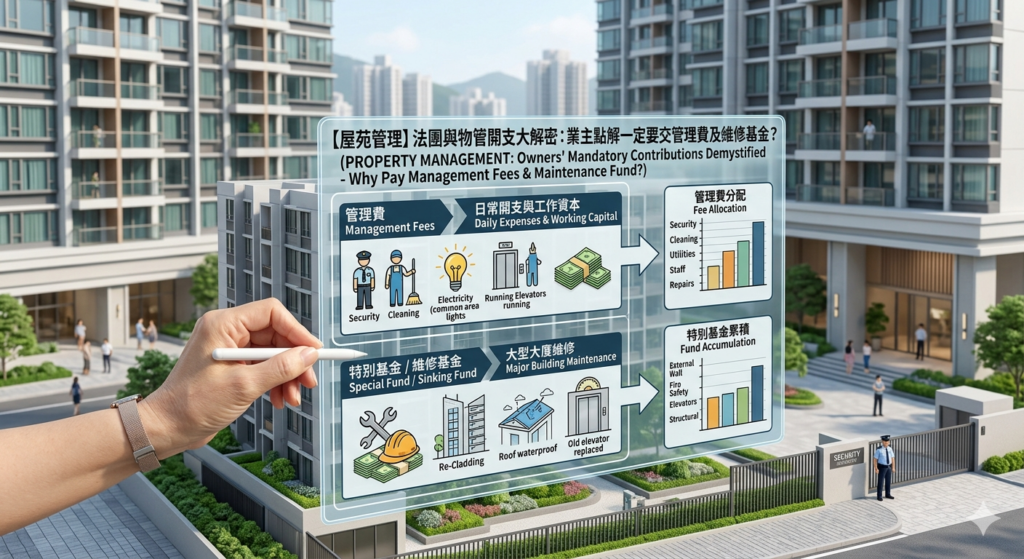
Why Do Property Owners Have to Pay Management Fees? Legal Obligations in Hong Kong In Hong Kong, most private residential properties operate under a co-ownership system, where all owners jointly own the common areas of a building—such as corridors, lifts, and external walls. As a result, property owners are legally required to share the costs […]