

Buying a private flat in Hong Kong? Learn how the Deed of Mutual Covenant (DMC), Undivided Shares, management shares, and structural wall rules affect your property rights, renovations, and pet ownership.

Most owners believe a managing agent they are unhappy with can only be replaced once its contract happens to lapse. The Building Management Ordinance actually gives owners a specific, timetabled route to force the issue — here is how it works, step by step.

A plain-English guide to how a Hong Kong building forms an Owners’ Corporation, what it can and cannot decide on its own, and the tougher attendance and voting thresholds now proposed for big-ticket maintenance works.

A Hong Kong flat usually sits under three separate insurance policies arranged by three different parties — and the two compulsory ones exist to protect somebody other than the owner. Here is what each layer covers, and where the gaps sit.
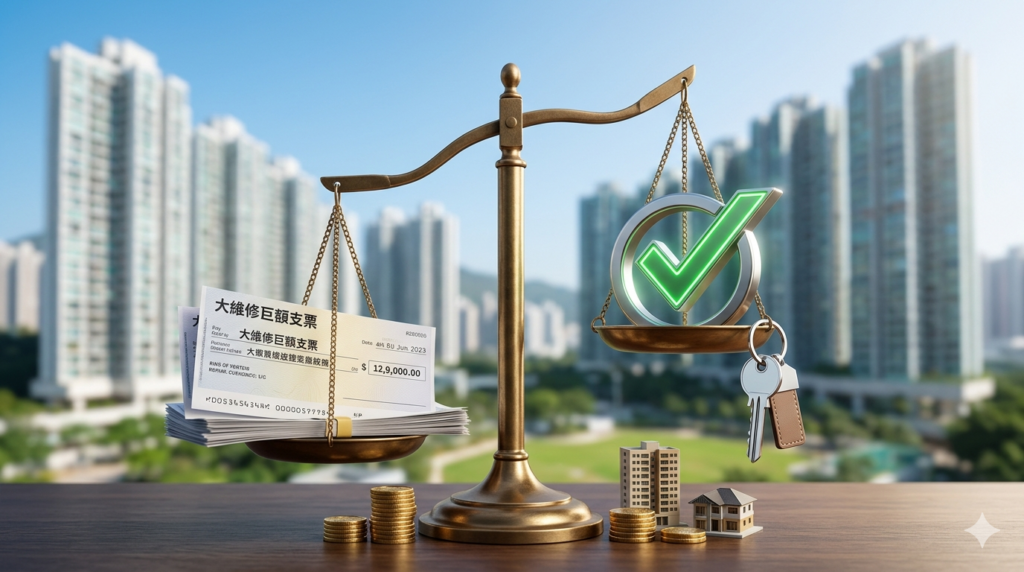
In Hong Kong, buying a property is not just about securing a home or investment—you are also acquiring a share of the building. As a co-owner, attending Owners’ Corporation meetings (whether AGM or EGM) is both your right and responsibility.
However, many owners find meetings tedious and believe that “my vote won’t matter,” choosing not to attend.
The truth is: the cost of silence can be very expensive.
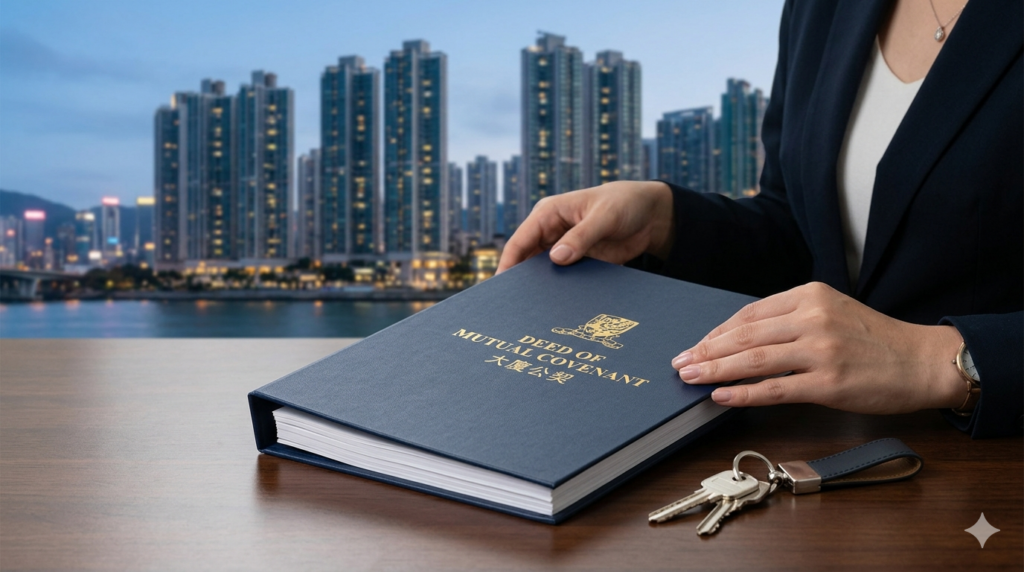
Many people believe that the hardest part of buying a home in Hong Kong is simply saving up the down payment and passing the bank’s mortgage stress test. Once you successfully get on the property ladder and make your monthly repayments on time, does it mean that once you close your front door, you can do whatever you like inside your property?