
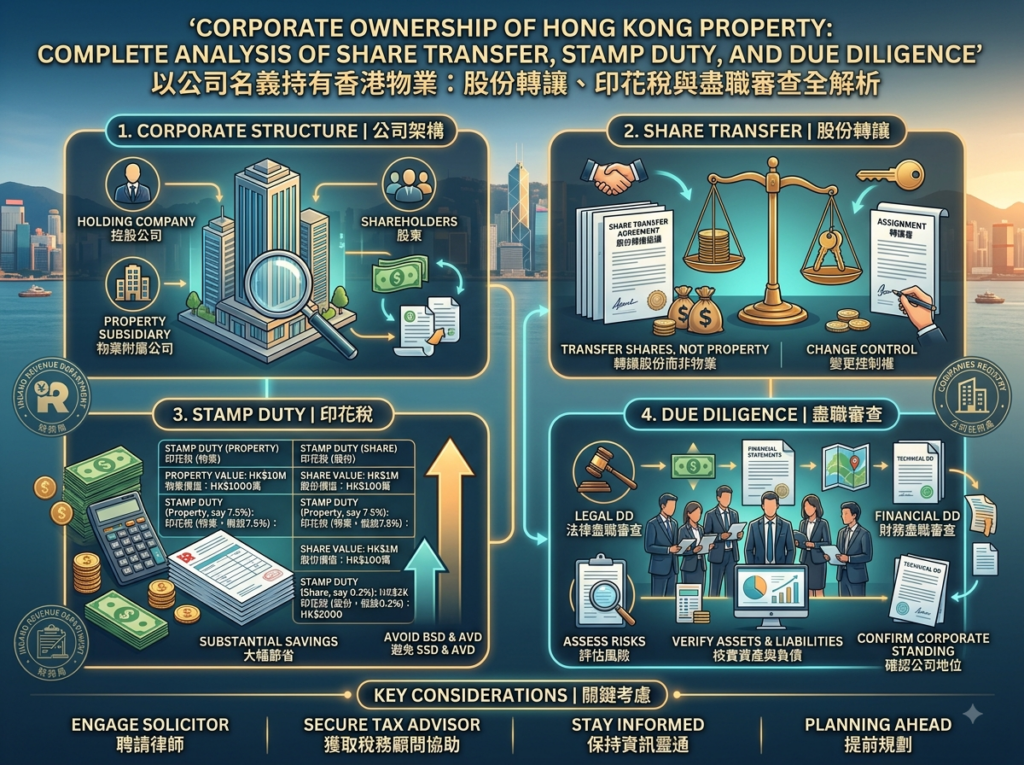
At the upper end of the Hong Kong market, buyers often acquire the company that owns a property rather than the property itself. The stamp duty saving is real — but so is everything else you inherit with the company.
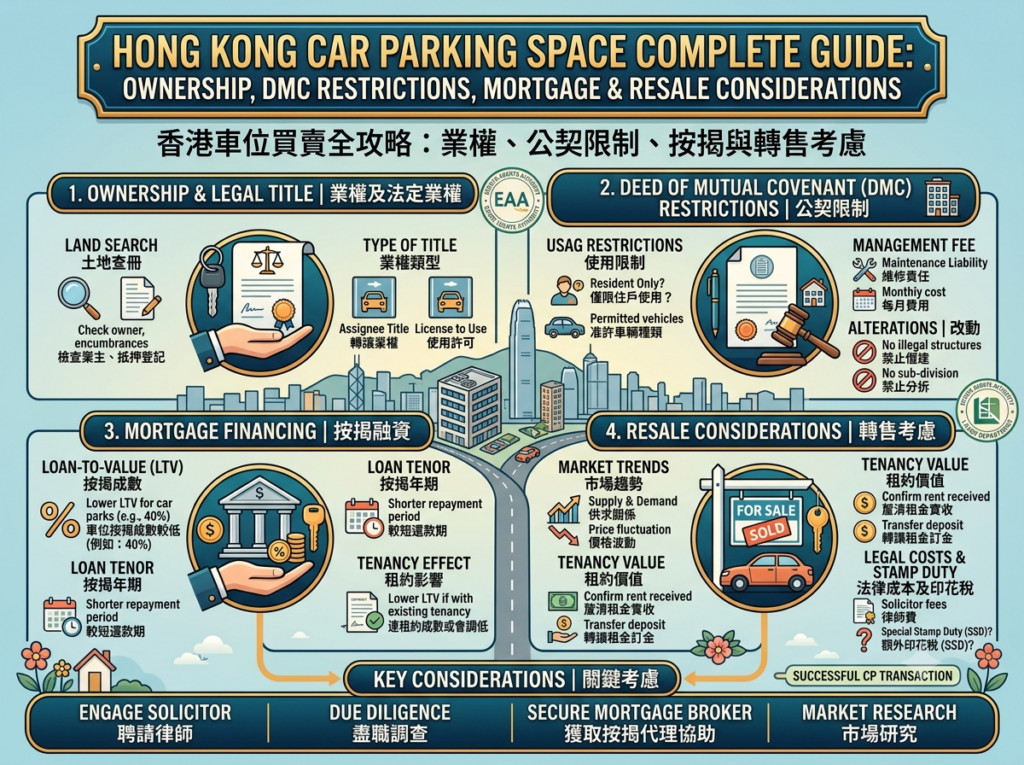
A parking space is one of the smallest things you can buy in Hong Kong and one of the easiest to buy badly. A practical guide to how car park title actually works, the restrictions that decide who may own one, and why the financing is nothing like a flat.
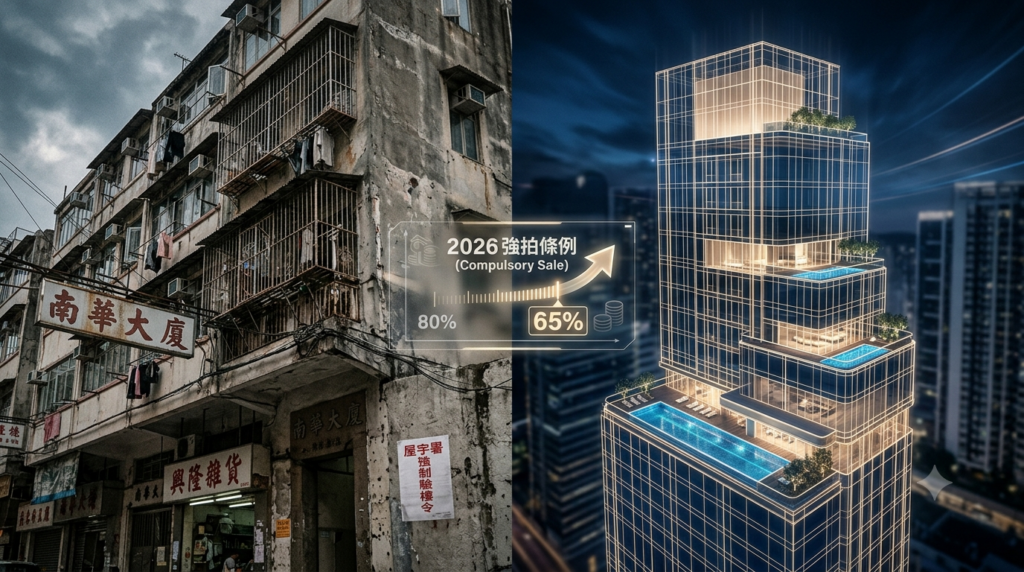
As land resources in Hong Kong become increasingly scarce, the government has actively promoted urban redevelopment through policy reforms. A key development is the amendment of the Land (Compulsory Sale for Redevelopment) Ordinance, with relaxed thresholds officially implemented in 2026.
This policy change has reignited investor interest in older districts such as Sham Shui Po, To Kwa Wan, and Yau Tsim Mong, where many investors are buying ageing properties in anticipation of developer buyouts at a premium.
However, is this strategy truly a low-risk investment? Behind the policy incentive lies a range of hidden financial and legal risks.
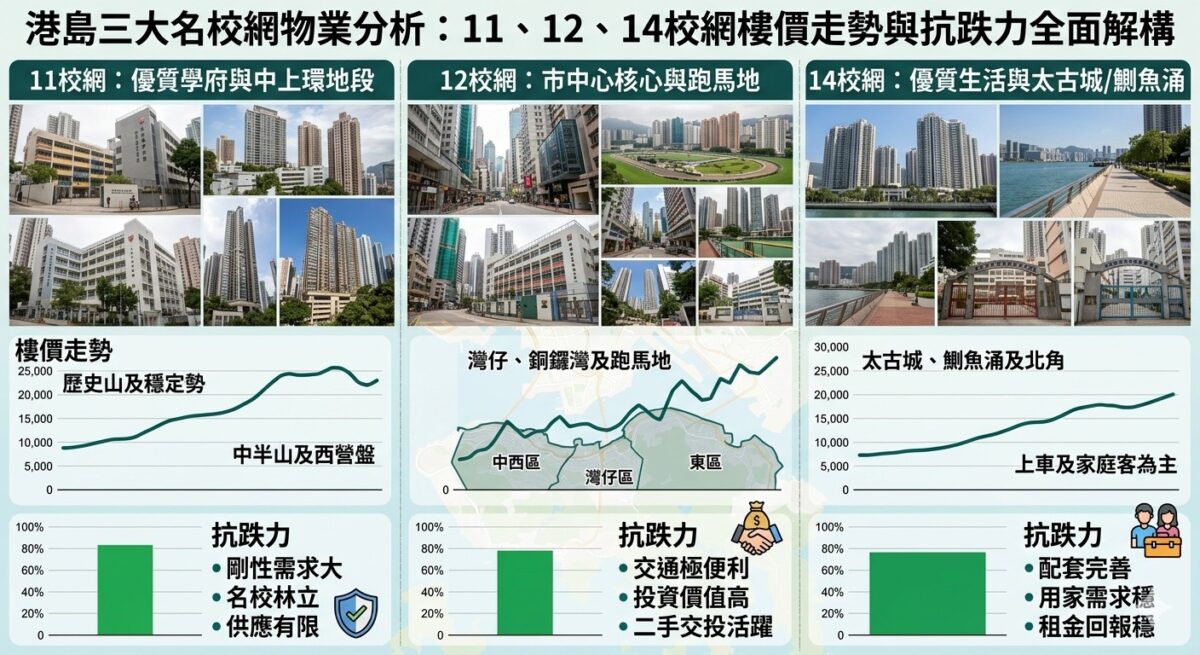
In Hong Kong’s property market, access to prestigious schools is often closely linked to long-term asset preservation. On Hong Kong Island in particular, primary school networks (“school nets”) have consistently played a critical role in supporting property values, influencing both price resilience and rental demand.